
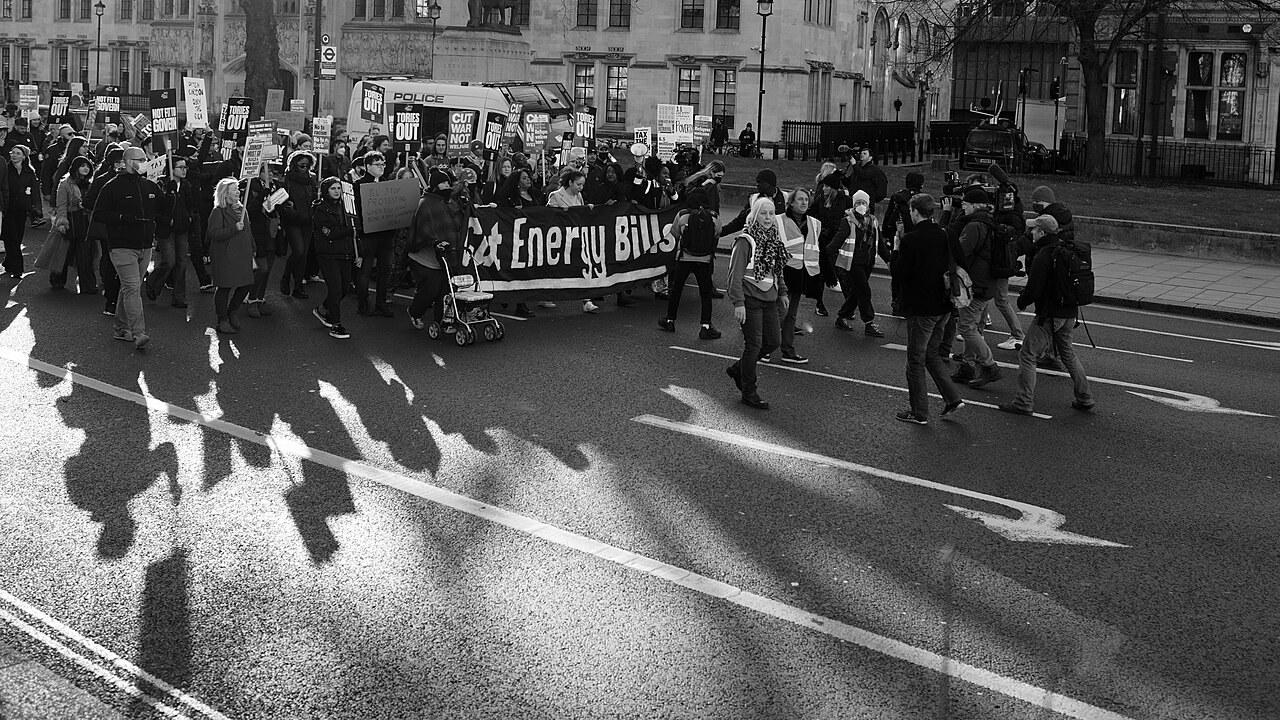
A wave of synchronized strikes and mass demonstrations has gripped major metropolitan centers across the European continent, as hundreds of thousands of workers, trade unionists, healthcare staff, and pensioners take to the streets. Driven by compounding inflationary pressures, spiraling residential heating tariffs, and stagnant real wage growth, the unrest reflects a deepening economic crisis testing government balance sheets from the United Kingdom to the European Union heartland.
📢 European Cost of Living Crisis: Key Takeaways
- Pan-European Unrest: Coordinated rallies and industrial actions have paralyzed public transit, ports, and municipal services across London, Paris, Berlin, Madrid, and Brussels.
- Core Demands: Labor coalitions demand inflation-indexed wage increases, binding statutory caps on electricity and natural gas bills, and government-subsidized grocery baskets.
- Real Wage Erosion: Eurozone consumer price indexes outpace collective bargaining settlements, resulting in the sharpest purchasing power drop for middle-income households in three decades.
- Government Policy Dilemma: European central banks face the tightrope of maintaining restrictive interest rates to cool inflation while treasury ministries face mounting fiscal deficits from emergency relief subsidies.
1. Ground Zero of the Demonstrations: Capital Cities in Gridlock
In central London, tens of thousands assembled across Westminster and Trafalgar Square carrying placards demanding emergency energy price freezes and windfall taxes on fossil fuel conglomerates. Similar scenes unfolded in Paris, where inter-professional labor unions shut down regional commuter rail lines, and in Berlin, where public sector employees staged warning strikes demanding double-digit salary adjustments.
The unrest is distinguished by its broad demographic base. Unlike targeted industrial disputes of previous decades, the current movement unites blue-collar factory workers, educators, civil servants, and young families facing unprecedented housing and heating costs heading into the winter heating season.
| Country / Capital | Key Protest Sector | Primary Labor Demand | Government Response / Relief Package |
|---|---|---|---|
| United Kingdom (London) | Rail, Postal, NHS Nurses & Civil Service | Inflation-matching 10%+ wage hike | Targeted Energy Price Guarantee & Cost-of-Living payments |
| France (Paris) | Transport (SNCF/RATP), Refineries & Education | Indexation of minimum wage & energy caps | Bouclier Tarifaire (Tariff Shield) on power tariffs |
| Germany (Berlin) | Municipal Services, Airports & Logistics | 10.5% salary raise or minimum €500/month | €200 Billion "Doppel-Wumms" energy defense shield |
| Belgium (Brussels) | Cross-sector national general strike | Energy bill moratorium & wage protection | Automatic wage indexation preserved with utility subsidies |
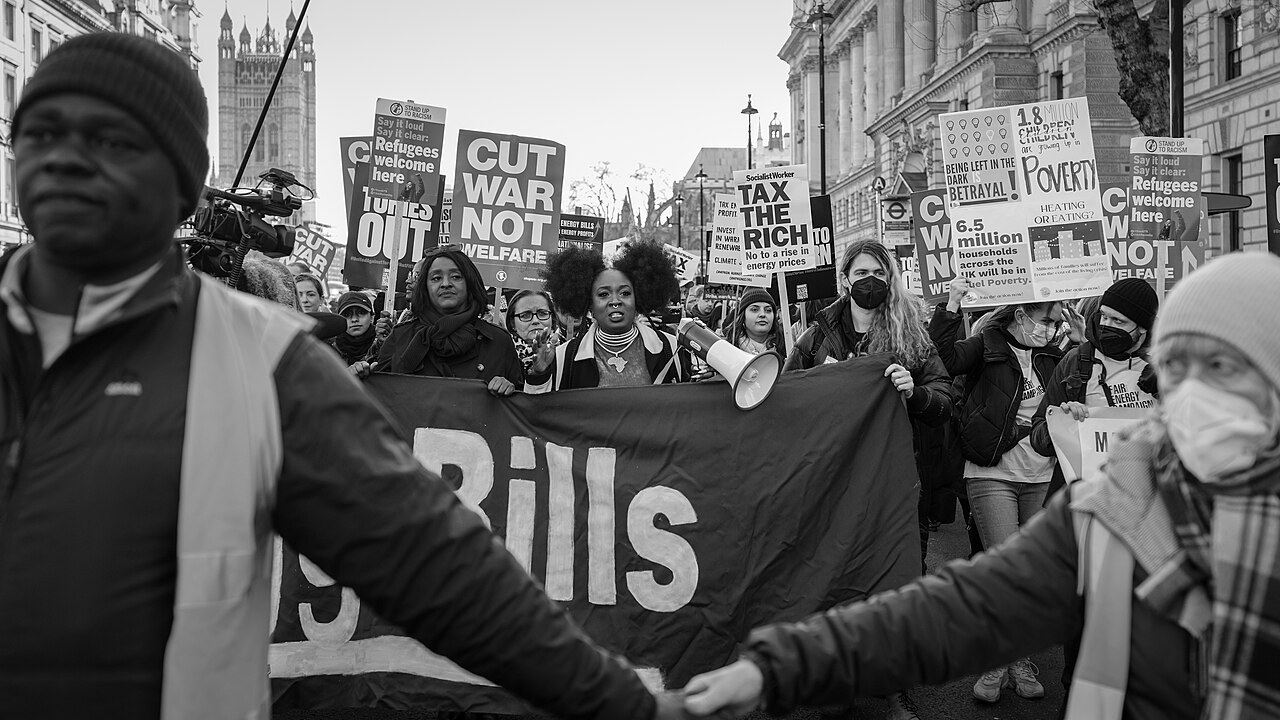
2. The Underlying Economic Drivers: Energy, Housing & Food Inflation
The roots of the cost-of-living squeeze stem from systemic shocks to Europe's macroeconomic architecture. The restructuring of European energy supply chains away from piped pipeline imports toward maritime liquefied natural gas (LNG) has established permanently higher baseline power costs for domestic industrial manufacturers and residential consumers alike.
Simultaneously, commercial food retail prices have experienced "sticky inflation," where supply-chain disruptions and agricultural input costs keep staple grocery prices elevated even after headline wholesale energy futures stabilize. In urban hubs like London, Dublin, and Amsterdam, a severe residential housing shortage has pushed median private rental costs to over 40% of average net household incomes.
3. The Policy Crossroads: Balancing Fiscal Debt and Social Stability
European policymakers face severe constraints. While universal energy subsidies and direct tax rebates provide temporary relief, international financial institutions warn that excessive deficit spending risks fueling persistent secondary inflation, prompting the European Central Bank (ECB) and Bank of England to maintain elevated interest rates for longer.
With winter temperatures driving heightened natural gas consumption, labor federations have threatened escalating open-ended walkouts unless tripartite negotiations between employers, labor unions, and state ministries yield structural, permanent wage adjustments.
To leave a comment, click the button below to sign in with Blogger.