
The Shadow of Extremism: Analyzing the 2026 Security Crisis in Germany
In the cinematic landscape of modern geopolitics, the narrative of European security has shifted from the background hum of political discourse to a high-stakes, real-time thriller. As a critic of both film and culture, I have long observed that the most terrifying stories are those rooted in the granular reality of our daily lives. The recent arrests in Heidelberg and Cologne of two individuals suspected of plotting an attack on a synagogue serve as a stark, sobering reminder that the "security state" is not merely a trope of high-budget espionage fiction, but an active, volatile reality in 2026 Germany.
This report deconstructs the incident through the lens of institutional vigilance, social tension, and the broader narrative arc of European counter-terrorism efforts. We move beyond the headlines to examine the mechanisms of prevention, the societal impact of radicalization, and the ongoing struggle to maintain an open society in an age of asymmetric threats.
- Date of Operation: Early 2026 (Active Investigation)
- Locations: Heidelberg (Baden-Württemberg) and Cologne (North Rhine-Westphalia)
- Primary Objective: Disruption of a targeted plot against a Jewish religious site.
- Status: Suspects in custody under German anti-terror statutes.
- Key Agencies: Federal Prosecutor’s Office (GBA), State Criminal Police (LKA).
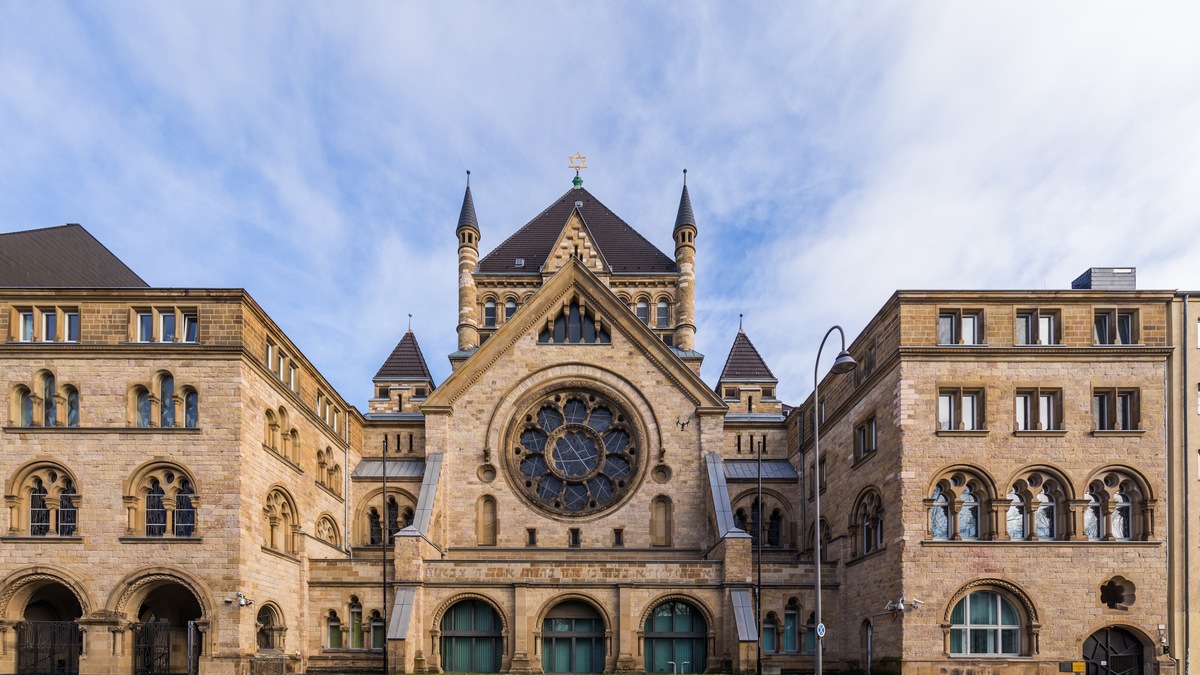 The Roonstrasse Synagogue in Cologne, targeted in the alleged terror plot
Narrative Premise: A Society Under Surveillance
The premise of this unfolding real-world drama is one of preemption. In the language of screenwriting, this is the "inciting incident" that never reached the climax. The threat, directed at a synagogue, carries a historical weight that is impossible to ignore. In Germany, the protection of Jewish life is not merely a policy—it is a foundational pillar of the modern democratic identity.
The conflict here is a classic struggle between radical ideology and the preservation of civil stability. Unlike a film, where the protagonist often has a clear arc of discovery, the "protagonists" here are the intelligence officers and law enforcement personnel operating in the shadows. The thematic exploration centers on the fragility of religious freedom and the constant, invisible labor required to prevent the "unthinkable" from becoming the "inevitable."
Directorial Craft: The Mechanics of Counter-Terrorism
If we view the German state’s response as a piece of direction, we see a highly disciplined, methodical pacing. There is no room for the shaky-cam kinetics of action cinema here; instead, the strategy relies on long-form surveillance, digital forensic analysis, and the quiet, tactical precision of tactical units (GSG 9 or equivalent state units). The "cinematography" of these arrests—the sudden, coordinated raids—is designed to minimize collateral damage and maximize intelligence gathering.
The "score" of this event is the persistent, low-frequency anxiety felt by the communities targeted. It is a psychological soundtrack that shifts the tone of public squares and religious centers from places of sanctuary to zones of high alert. The pacing of the investigation has been deliberate, adhering to strict legal protocols that ensure the integrity of the evidence, a testament to the rigorous, bureaucratic "script" that German authorities follow to uphold the rule of law.
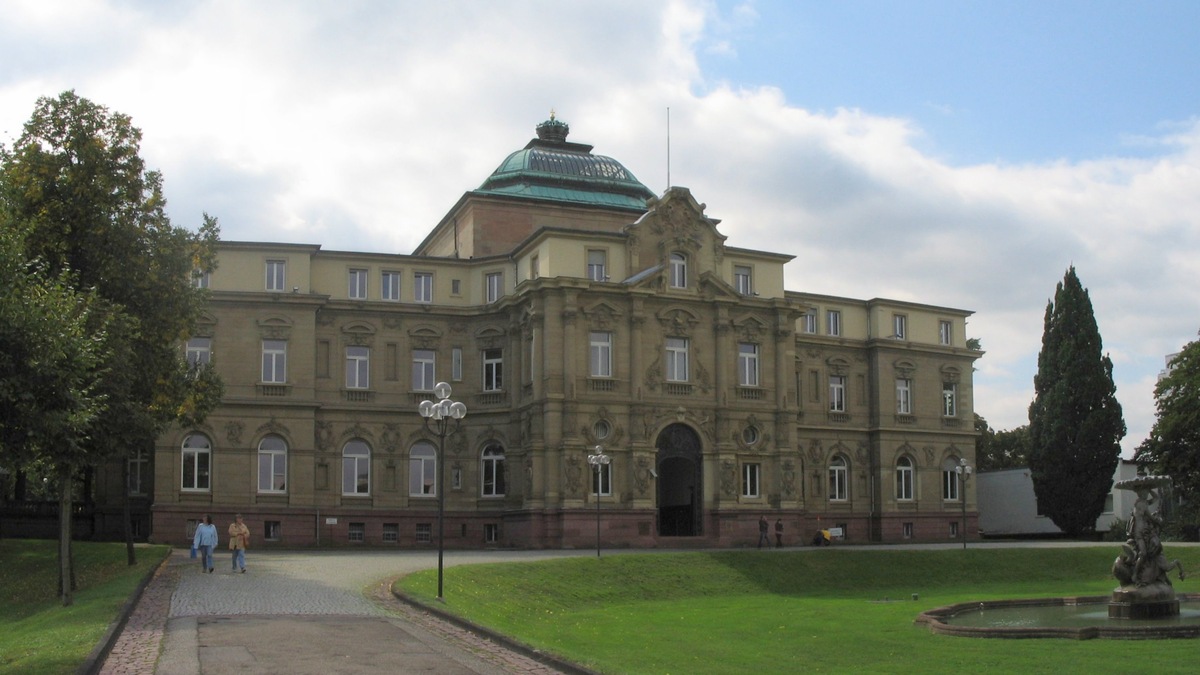 Federal Court of Justice and Federal Prosecutor's Office in Karlsruhe, Germany
Cast Performances: The Actors in the Arena
The "cast" in this scenario is complex. On one side, we have the suspects—individuals whose radicalization trajectories remain the subject of intense psychological and forensic study. Their "performances" are those of deception, attempting to operate in the blind spots of the digital and physical world. On the other side, the investigators represent the institutional "ensemble cast"—a mix of digital analysts, field agents, and political stakeholders, each playing a role in a massive, interconnected network of public safety.
The script, in this case, is written by the German legal system. The suspect's defense, the state's prosecution, and the ongoing judicial review will dictate the final act. As observers, we are left to analyze the depth of the radicalization process: how do these individuals move from ideological fringe beliefs to the planning of physical violence? The answer lies in the intersection of digital echo chambers and the erosion of social cohesion, a theme that deserves a much deeper sociological exploration than mere news reporting can provide.
Critical Verdict: A System Stretched to the Limit
From a critical perspective, the German security apparatus performs with remarkable technical competence but operates under immense pressure. The arrest of these two individuals in Heidelberg and Cologne is a "win" in the sense that a tragedy was averted, yet it highlights the ongoing, exhausting nature of the threat. The audience—the German public—is increasingly fatigued by the constant need for vigilance.
For those following these developments, the takeaway is clear: the threat of Islamist extremism in Europe has evolved. It is no longer just about centralized networks; it is about the "lone wolf" or the small, decentralized cell, making the task of intelligence gathering exponentially more difficult. This is a high-stakes, long-running series with no clear end in sight. The recommendation for the public is to remain informed, remain vigilant, and support the institutions tasked with maintaining the delicate balance between freedom and security.
To leave a comment, click the button below to sign in with Blogger.