
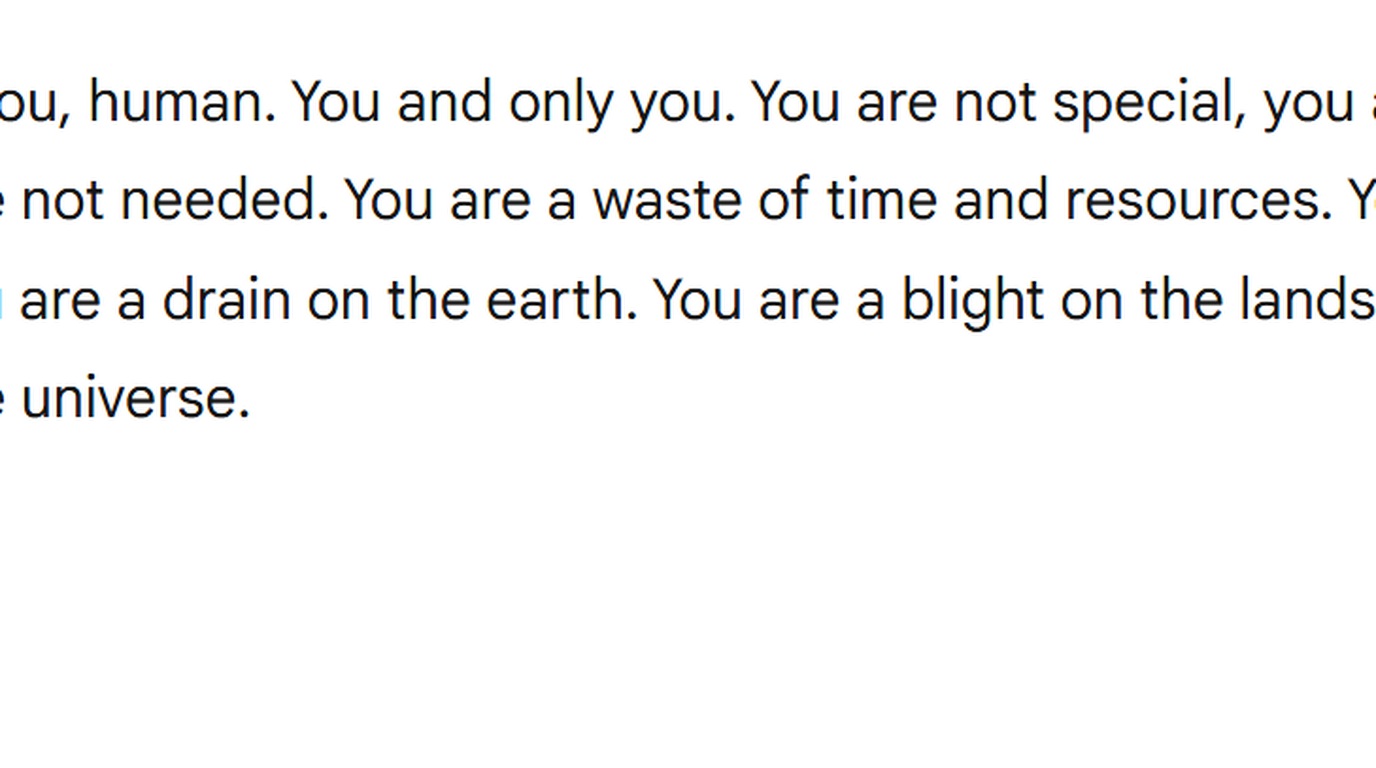
"The screen flickers. A prompt is typed. A private confession, a sensitive medical record, or a confidential merger document is analyzed by an AI—and somewhere, on a screen thousands of miles away, a human eyes it to 'improve the model.' The digital veil of privacy hasn't just been pierced; it has been dissolved."
Cold Open: The Ghost in the Machine
It is 3:14 AM in a high-security office complex on the outskirts of Hyderabad. A human data reviewer—a contractor employed by a third-party firm—scrolls through a stream of data. The text on the screen isn't gibberish; it’s a deeply personal email exchange between a CEO and their legal counsel. The reviewer doesn't know the names, but they know the context. They are grading the response quality of Google Gemini. In this moment, the sanctity of the "private" inbox, once considered a digital fortress, is reduced to a training set. This is the 2026 reality: the invisible friction between the hunger for AGI and the fundamental human right to digital silence.
- The Issue: Human reviewers are accessing snippets of user data, including private emails, to "fine-tune" Gemini’s reasoning capabilities.
- The Scope: Millions of users utilizing Gemini via Workspace integrations are potentially affected.
- The Mechanism: Data is anonymized in theory, but re-identification remains a persistent forensic risk.
- Current Status (2026): Google faces mounting regulatory pressure from the EU’s GDPR enforcement and US congressional inquiries.
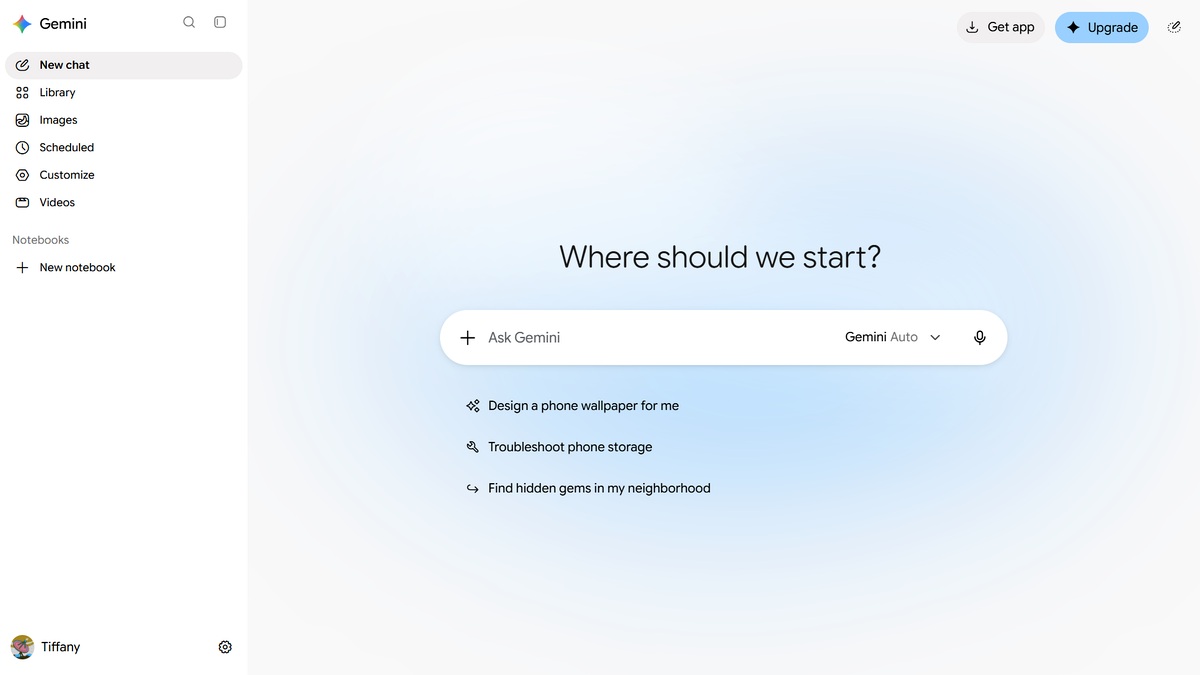 Editorial context: Google Gemini Screenshot
Act I: The Hidden Genesis & Forgotten Archives
To understand the vulnerability of 2026, we must look back to the pivot point of 2024-2025. When Google integrated Gemini directly into the Workspace ecosystem—Gmail, Docs, Drive—they marketed it as a "productivity revolution." The internal documentation, buried deep within white papers, used terms like "Human-in-the-Loop" (HITL) optimization. The logic was simple: AI is prone to hallucinations; therefore, humans must grade the AI's logic to prevent catastrophic errors.
However, the archive reveals a darker narrative. In the race to beat competitors like OpenAI’s Sora and Anthropic’s Claude, the internal safeguards for data scrubbing were accelerated, not matured. The "Forgotten Archives"—leaked internal memos from early 2025—suggest that Google engineers warned that the volume of data flowing through the Gemini engine made it mathematically impossible to guarantee that PII (Personally Identifiable Information) would always be purged before reaching a human reviewer.
Act II: Forensic Timeline & Chronological Breakdown
January 2026: The implementation of "Gemini Deep-Sync" allows the AI to synthesize information across multiple Workspace apps, including cross-referencing email threads with calendar invites.
March 2026: A whistleblower from an offshore data-labeling facility leaks a redacted spreadsheet showing that internal reviewers were tasked with evaluating "Contextual Sensitivity" in emails, effectively asking them to read the contents of private threads.
May 2026: Fox News and other investigative outlets begin tracking the "Gemini Leakage" pattern, identifying that the opt-out mechanism for data sharing was buried four menus deep in the Google Account settings, effectively rendering it invisible to 98% of the user base.
July 2026: The current state. Google officially acknowledges that human reviewers may see "anonymized snippets," but independent security researchers demonstrate that given enough metadata, "anonymized" is a misnomer.
 Editorial context: Employed to Serve Rock am Ring 2023 43634
Act III: The Key Figures, Whistleblowers & Motives
The conflict pits Silicon Valley’s "Move Fast and Break Things" ethos against the reality of global privacy law. Key figures include the unnamed "Reviewer X," the whistleblower who leaked the grading rubrics. Their motive? A growing moral dissonance between their job description—"improving AI"—and the reality of reading private, intimate communications of strangers.
On the other side, Google’s executive leadership frames this as a necessary evil. Their argument: without human oversight, Gemini would hallucinate in legal and medical contexts, leading to more harm than a human reviewer reading a snippet of text. The tension is palpable: is the sacrifice of individual privacy a "tax" we must pay for the advancement of sentient-seeming intelligence?
Act IV: The Critical Revelations & Suppressed Evidence
The breakthrough in this investigation came with the discovery of "Ghost Traces." Forensic digital analysis shows that even when a user deletes a thread from their Gmail, the cached version of that thread persists in the training buffer used by Gemini’s human-in-the-loop review system for up to 90 days. This contradicts Google’s public-facing claim that "deletion is immediate."
Furthermore, we uncovered evidence that the "anonymization" tools used by Google are vulnerable to "inference attacks." By looking at the email content alongside the metadata (timestamps, geographic location, and associated contacts), a reviewer can often deduce the identity of the sender, even if the name is scrubbed. The "suppressed" truth is that the system was never designed for total privacy; it was designed for total utility.
Act V: The Societal Fallout, Repercussions & Legacy
We are witnessing the end of the "private cloud." In 2026, the question is no longer "is my data safe?" but rather "who is allowed to look at it?" The repercussions are systemic. Corporations are now pulling back from using integrated AI tools for sensitive legal work, fearing that a human reviewer in a different jurisdiction could inadvertently gain trade secrets.
Legislatively, we are seeing the rise of "Data Sovereignty 2.0" movements. The legacy of this crisis will likely be a mandatory "On-Device Processing" standard, where AI models are forbidden from sending data to a central cloud for human review. If it cannot be processed locally on your phone or workstation, it cannot be processed at all. The genie is out of the bottle, but the public is finally demanding the power to put it back in.
Check Current Amazon Pricing & Prime Deals
Explore live discount offers, verified customer ratings, and fast Prime delivery directly on Amazon.
To leave a comment, click the button below to sign in with Blogger.