
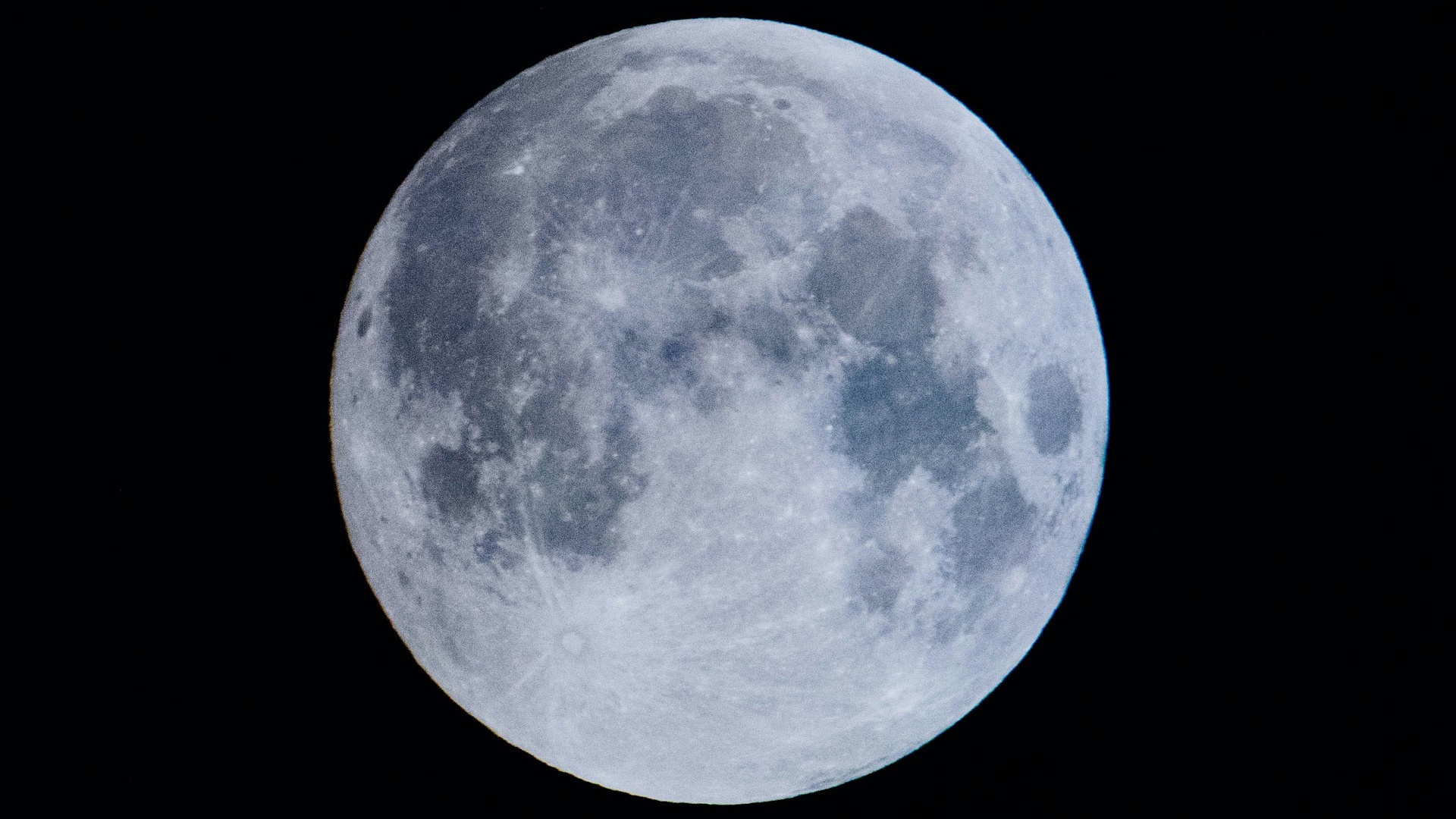
The Celestial Convergence: Anatomy of the 2026 Beaver Supermoon
As the Earth tilts further into the autumnal embrace of November 2026, the night sky plays host to a phenomenon that bridges the gap between ancient folklore and modern orbital mechanics. The Beaver Supermoon is not merely a visual spectacle; it is a complex intersection of gravitational physics, historical cultural narratives, and a burgeoning global interest in observational astronomy. As a journalist covering the intersection of science and society, it is imperative to move beyond the aesthetic allure of the moon to understand why this specific lunar event commands such significant international attention.
For the uninitiated, a "supermoon" occurs when the Moon’s orbit brings it to its perigee—the point closest to Earth—at the same time it reaches its full phase. In November 2026, the alignment is exceptionally precise, resulting in a lunar disk that appears significantly larger and brighter than an average full moon. But the "Beaver" moniker adds a layer of terrestrial history, rooting the event in the seasonal cycles of North American indigenous traditions.
- Event Type: Lunar Perigee (Supermoon)
- Timing: November 2026 (Peak luminosity)
- Physical Significance: Moon appears ~14% larger and 30% brighter than at apogee.
- Cultural Context: Derived from the fur-trapping season and beaver preparation for winter.
- Key Alignment: Proximity to the Pleiades (Seven Sisters) star cluster.
 Editorial context: Beaver Moon over the Dunes and Mt Zwischen
The Physics of the Perigee: Why 2026 Stands Out
To understand the 2026 Beaver Supermoon, we must first deconstruct the elliptical nature of the Moon’s orbit. The Moon does not orbit the Earth in a perfect circle; rather, it follows an elongated path. When the Moon is at its furthest point, the apogee, it can appear distant and dim. Conversely, when the full moon coincides with the perigee, the visual impact is magnified by the proximity of the satellite to our atmosphere.
The 2026 event is particularly noteworthy due to the "Seven Sisters" alignment. Astronomers have noted that in November 2026, the moon will pass in close angular proximity to the Pleiades, an open star cluster in the constellation Taurus. This creates a rare photographic opportunity where the overwhelming glare of the supermoon must be carefully managed to capture the delicate, icy blue light of the surrounding stars. This is not just a light show; it is an orbital dance that highlights the precision of our solar system's mechanics.
Cultural and Historical Resonance
The name "Beaver Moon" is a product of colonial-era almanacs, specifically the Old Farmer’s Almanac, which popularized names derived from Native American tribes, European settlers, and colonial folklore. The name signifies the period when beavers—the industrious architects of the North American wetlands—become particularly active, fortifying their lodges and storing food in anticipation of the impending freeze. It is a reminder of the historical human reliance on lunar cycles for agriculture, hunting, and seasonal migration.
In our modern, urbanized world, the Beaver Moon serves as a "temporal anchor." It forces a pause in the digital noise of the 21st century. Whether viewed from a bustling city center or a remote observatory, the moon remains the universal constant. Its brightness in November 2026 acts as a beacon, reminding humanity of our shared origin and the ecological cycles that still govern life on Earth, even if we have largely insulated ourselves from them.
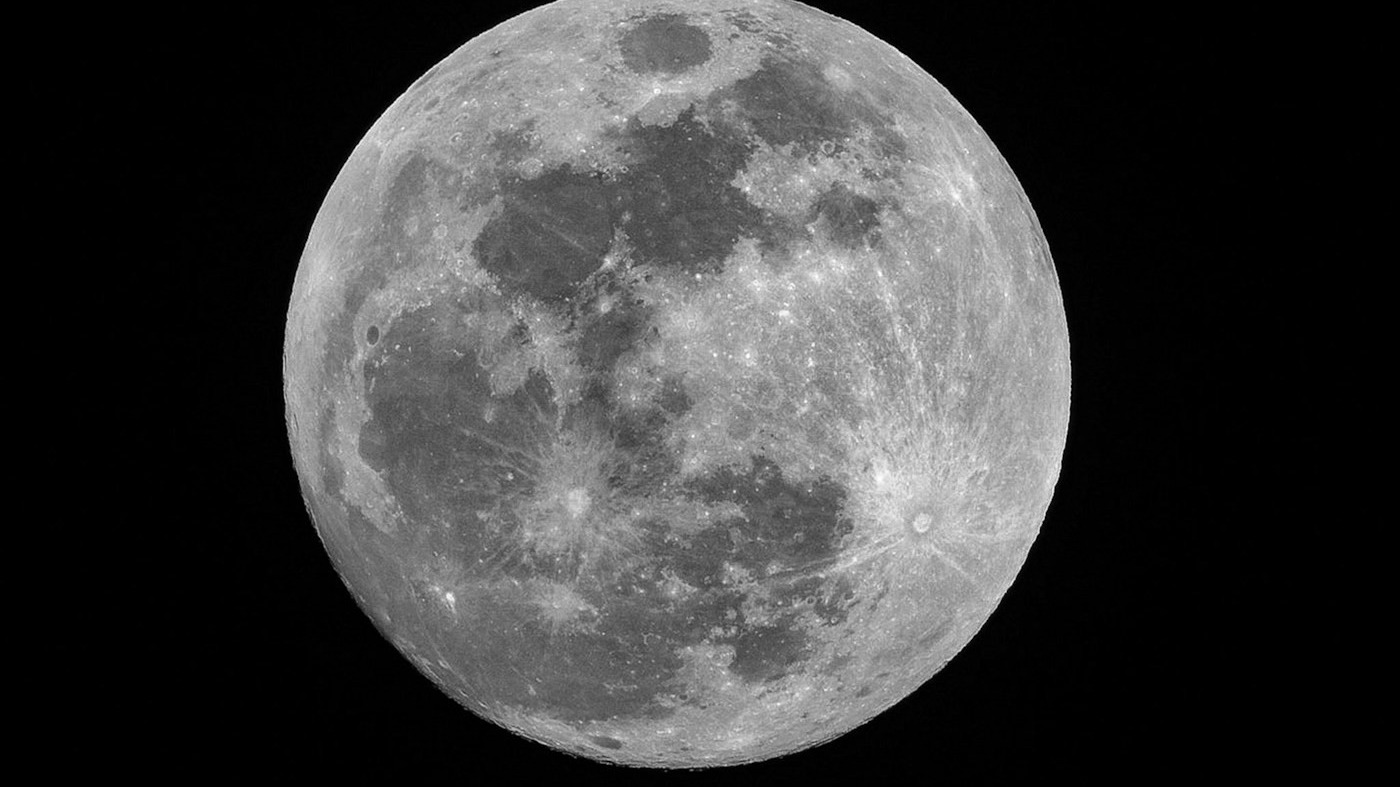 Editorial context: Beaver Supermoon 05 Nov 2025 RXA03010a
The Global Impact: Why We Watch
Beyond the aesthetic, the 2026 Beaver Supermoon has tangible impacts on our planet. The most significant is the gravitational effect on Earth’s oceans. A supermoon exerts a stronger tidal force than a standard full moon. This phenomenon, known as a "perigean spring tide," results in higher-than-average high tides and lower-than-average low tides. Coastal communities, particularly those already grappling with rising sea levels, must monitor these events with increased scrutiny. As we look to 2026, urban planners and environmental scientists are increasingly viewing supermoons as "stress tests" for coastal infrastructure.
The Amateur Astronomy Renaissance
We are currently in a golden age of amateur astronomy. With the democratization of high-quality imaging equipment and the proliferation of accessible star-charting applications, the Beaver Supermoon is no longer a solitary experience. It is a global, crowdsourced event. Platforms like NASA’s "Moon Phase" trackers and international photography communities are seeing a surge in engagement. This isn't just about taking a picture; it’s about citizen science—collecting data on lunar brightness, atmospheric clarity, and light pollution in urban environments.
Investigative Synthesis: The Future of Lunar Observation
As we analyze the trajectory of lunar events leading into 2027, it becomes clear that public fascination with the moon is evolving. We are moving from a phase of "passive observation" to "active engagement." The 2026 Beaver Supermoon is a precursor to a larger, more ambitious era of lunar exploration. With the Artemis program and international commercial missions intensifying, the moon is no longer just a distant light in the sky; it is a destination.
The 2026 supermoon serves as a bridge. It reminds us that while we reach out to land on the lunar surface, the moon remains a powerful, often unpredictable force in our own planetary system. The investigative takeaway is simple: the more we observe, the more we realize how deeply intertwined our terrestrial fate is with the celestial movements above.
To leave a comment, click the button below to sign in with Blogger.