
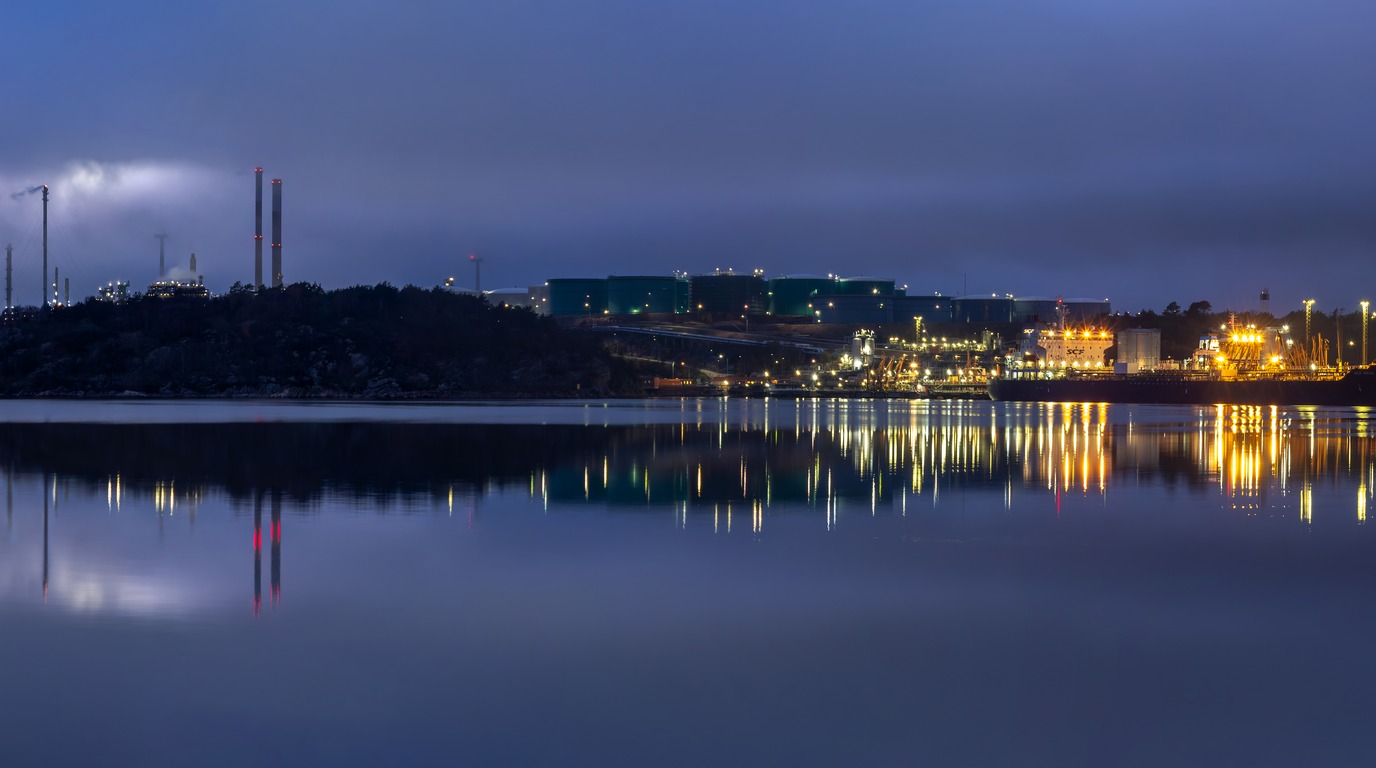
Architectural Analysis: The Asymmetric Warfare of Energy Infrastructure
As a Principal Systems Architect, I view the ongoing kinetic operations in the Eastern European theater not merely as geopolitical maneuvers, but as a high-stakes study in distributed resource degradation. When we analyze the current status of the Ukraine-Russia conflict in 2026, the targeting of oil refineries is no longer a peripheral tactical choice; it is a fundamental shift in the "system architecture" of the Russian war machine. By systematically degrading the refining capacity of a state-level actor, Ukraine is effectively executing a "denial of service" attack on the adversary's primary energy throughput.
From an engineering perspective, a refinery is a complex, high-latency industrial system. It requires precise chemical process controls, constant feedstock input, and high-availability operational stability. When these systems are struck by long-range autonomous assets, the recovery time objective (RTO) is measured in months, not days. The "complaints" emanating from Moscow regarding these strikes are, in technical terms, a recognition that their internal energy supply chain—their "backend"—is experiencing catastrophic packet loss.
- Primary Objective: Neutralization of high-value distillation units (CDUs) to force domestic fuel shortages.
- Technical Methodology: Utilization of long-range, AI-augmented autonomous aerial systems (AAS) with swarm-logic navigation.
- Strategic Impact: Reduction of Russian export capacity and internal logistical fuel stability, tightening the economic throughput.
- Current Status: Ukraine maintains a "zero-tolerance" policy regarding energy infrastructure, citing the legitimate military necessity of degrading the enemy's logistics.
 Hyperscale Cloud Data Infrastructure & Server Cluster Architecture
The Engineering of Asymmetric Attrition
Micro-Targeting and Precision Logistics
The success of the strikes on Russian refineries relies on high-precision navigation. In 2026, we are seeing the maturation of edge-compute-enabled guidance systems. These are not simple GPS-guided drones; they are sophisticated AI-driven platforms that perform real-time pattern matching against optical and infrared telemetry. When a drone approaches a refinery, it is identifying specific high-value targets: the catalytic cracking units, the storage tanks, and the critical power distribution infrastructure.
The "complaints" from the Kremlin are essentially a reaction to the failure of their defensive "firewalls." The Russian air defense grid, which relies on legacy radar-based interception, is being bypassed by low-altitude, low-observable autonomous assets. This is the kinetic equivalent of a zero-day exploit against an aging, unpatched OS.
The Economic TCO (Total Cost of Ownership) Analysis
If we look at the TCO of these strikes from a strategic perspective, the asymmetry is staggering. The cost to produce a long-range autonomous strike vehicle is a fraction of the millions of dollars required to repair a specialized refinery component. Furthermore, the global procurement of these specialized refinery parts is heavily sanctioned, meaning the "repair cycle" is indefinitely stalled by logistical bottlenecks. This is a classic "resource exhaustion" attack vector.
Systemic Stability and Global Energy Markets
From an industry-analyst perspective, the volatility introduced into the global energy market by these strikes cannot be understated. As these refineries go offline, the global supply of refined products—specifically diesel and jet fuel—tightens. This creates a ripple effect that impacts global shipping costs, manufacturing overhead, and energy pricing. However, the Ukrainian leadership's stance is clear: the energy sector is not a civilian luxury; it is the fuel source for the military-industrial complex that is currently invading their territory.
By telling Putin to "stop complaining," Kyiv is essentially stating that the "system uptime" of Russian refineries is no longer a protected variable. They have re-classified these assets as legitimate, high-priority nodes in the enemy's operational stack.
 Modern Software Engineering & Systems Architecture Environment
Developer Perspective: The "Drone Swarm" Pipeline
For those tracking the engineering evolution, the 2026 landscape is defined by the democratization of long-range autonomous flight. The SDKs and open-source frameworks for autonomous navigation have reached a level of maturity that allows for rapid, iterative deployment. We are moving away from monolithic, single-drone missions to distributed, swarm-coordinated architectures.
The "pipeline" looks like this:
- Reconnaissance Layer: Satellite imagery combined with high-altitude long-endurance (HALE) drones mapping the refinery's power grid.
- Mission Planning: AI-driven route optimization to minimize exposure to known air-defense coverage zones.
- Execution Layer: Swarm deployment with mesh-network communication, ensuring that even if 20% of the nodes are intercepted, the mission objectives are still met.
- Verification: Post-strike analysis using real-time infrared feedback to confirm structural degradation.
Critical Verdict: The New Normal
As an architect, I rarely comment on politics, but the technical reality here is undeniable: the energy infrastructure of a state-level power is now a targetable, vulnerable, and increasingly degraded asset. The "complaints" are merely the sound of a legacy system failing to adapt to a modern, decentralized, and highly aggressive threat environment. Enterprises and governments globally should take note: the era of "protected" industrial infrastructure is over. If your critical assets are not hardened against autonomous, low-cost, high-precision threats, you are effectively operating with an open port to the internet.
To leave a comment, click the button below to sign in with Blogger.